NEWS • 2026-02-05
Small producers, large retailers and the challenge of collaboration for sustainable food systems
As the food retail market becomes increasingly consolidated, collaboration between small producers and large retailers is both more challenging and more important than ever. A new study explores the complicated dynamic between these two key actors, and the challenges and opportunities for collaboration between the two to promote more resilient food systems.
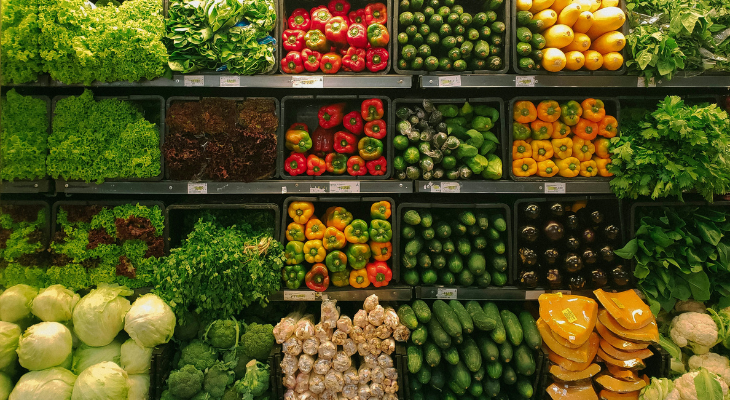
Photo: nrd via Unsplash
A new article co-authored by Beijer Institute researcher Malin Jonell along with colleagues from the Swedish University of Agricultural Sciences looks at two key actors within the food system: small producers and the food retail sector.
Small businesses – defined here as having 10 employees or less – can play an important role in promoting sustainability within the food system, from a societal and sometimes even ecological perspective. While the environmental benefits of small-scale food production remain uncertain and context-dependent, the authors note, its contributions to social sustainability and food system resilience are more clearly established.
At the same time, retailers play a crucial role in shaping what ends up on our supermarket shelves. They provide necessities to consumers through the variety of products they offer, but also play a key role in enabling or constraining consumer choice and consumption patterns.
Market concentration and power imbalances
The paper sheds light on the complicated dynamic between small businesses and food retailers. While small producers benefit from shorter supply chains and local production methods, and can market their products as “local”, they are limited in size and resources and have little influence when negotiating with large retailers.
These challenges are exacerbated by increasing consolidation in the food retail sector. In Sweden, three companies – ICA, Coop and Axfood – together account for 86,6% of the market share, strengthening retailers’ negotiating position when choosing suppliers. The authors point to the rise in private label products (products manufactured by one company and sold under retailer’s own brand) as a potential symptom of this power imbalance. While supplying or manufacturing private-label products may increase production volumes for small producers, it rarely contributes to brand development or improved profit margins.
Use of private labels in Sweden stands at around 25% and is increasing. As retailers gain greater control over product portfolios, opportunities for producers to communicate the value offered by their products are increasingly limited.
“Gaining a place on retailer’s sourcing lists, securing favourable shelf positioning, and achieving price points that support sustainable production can be very difficult for small and medium-sized producers operating within these market conditions” says Malin Jonell, Beijer Institute researcher and co-author of the study.
Conditions for collaboration
To explore conditions for collaboration, the authors conducted three case studies of small producers in Sweden, all operating on the island of Gotland. All three small producers described how their value offer was not shared by retailers, who were unwilling to market and sell their products at higher price points than conventional products. This limits opportunities for long-term development for small producers and represents a significant barrier to collaboration, as shared value lies at the heart of successful partnerships.
The interviewees emphasized the need for more adaptable and equitable partnership models based on improved communication and mutual understanding, but also for stricter regulation developed by policymakers to help address these power imbalances. The authors also identify a clear disconnect between small producers’ efforts to market value-added products and retailers’ perceptions of consumers’ willingness to pay for these products.
The study concludes that collaboration can create shared benefits for both retailers and small producers, but that this requires three elements: collaborative partnership models that prioritize mutual benefits; improved marketing of local and value-added products; and government interventions to sustain domestic production amidst rising private-label competition and increasing market concentration.
“Fostering a more resilient food system in Sweden requires a concerted effort from all stakeholders, including local initiatives, government support, and the willingness of retailers to source products from a range of producers, including small businesses”, says Malin Jonell.
Reference: Lundberg, E., M. Jonell and C. Mark-Herbert. 2026. Impact of food retail market power on small food producers in Sweden: Challenges and opportunities. Cleaner Food Systems 3:10001
NEWS