NEWS • 2026-10-15
Seminar: Restoring landscapes, restoring livelihoods
Lessons from China’s Loess Plateau for Europe and the planet.
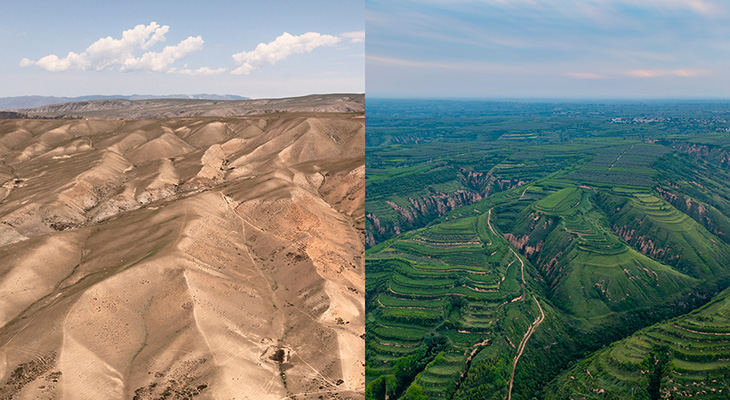
The Loess Plateau in China, once among the most eroded landscapes on Earth, is green again. It has been called a miracle. It was not. It was the result of decades of science, policy and the work of millions of people.
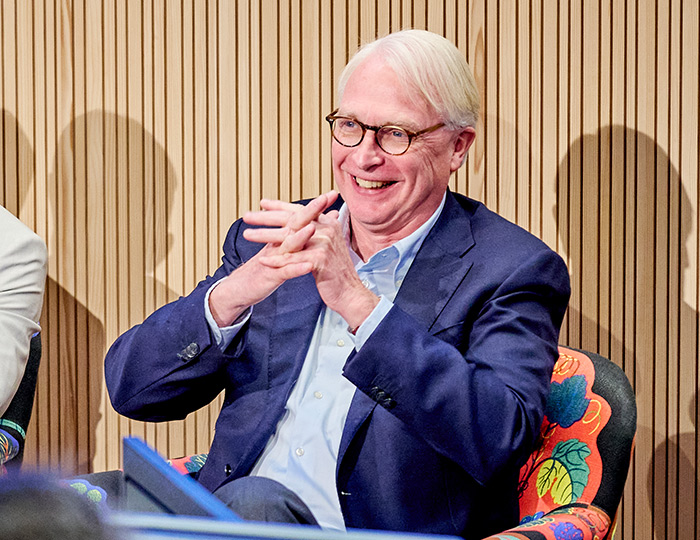
Bojie Fu, professor of Geography and Landscape Ecology at the Chinese Academy of Sciences has been central to understanding how degraded landscapes can recover without exhausting the water on which both people and nature depend. Professor Fu, this year’s Volvo Environment Laureate showed with his research that vegetation can hold soil, store carbon and revive biodiversity – but that the wrong species, or planting too densely, can deepen water scarcity and undermine recovery. Restoration is not simply a matter of planting more.
Not least, restoration is about people. Farmers feared for their livelihoods, and restoration took hold only when households were compensated and land use was adapted to local conditions. Success also required long-term political and financial commitment, continuous monitoring, and the willingness to change course when the evidence demanded it.
These lessons reach far beyond China. Europe is now entering the implementation phase of the EU Nature Restoration Regulation, with national restoration plans due in September 2026 and a target to restore at least 20 per cent of the EU’s land and sea areas by 2030.
At this seminar Boije Fu shares his research and experiences followed by a discussion on how we can restore nature at scale while securing livelihoods, water and public support. What can Europe learn from one of the world’s largest restoration efforts and what can the world learn from both?
When & where
Monday 2 November, 15.00-16.30
Royal Swedish Academy of Sciences, Stockholm
This seminar is organised by the Beijer Institute, Stockholm Resilience Centre at Stockholm University and the Volvo Environment Prize.
NEWS